PROMOTING A CYCLE OF QUALITY.
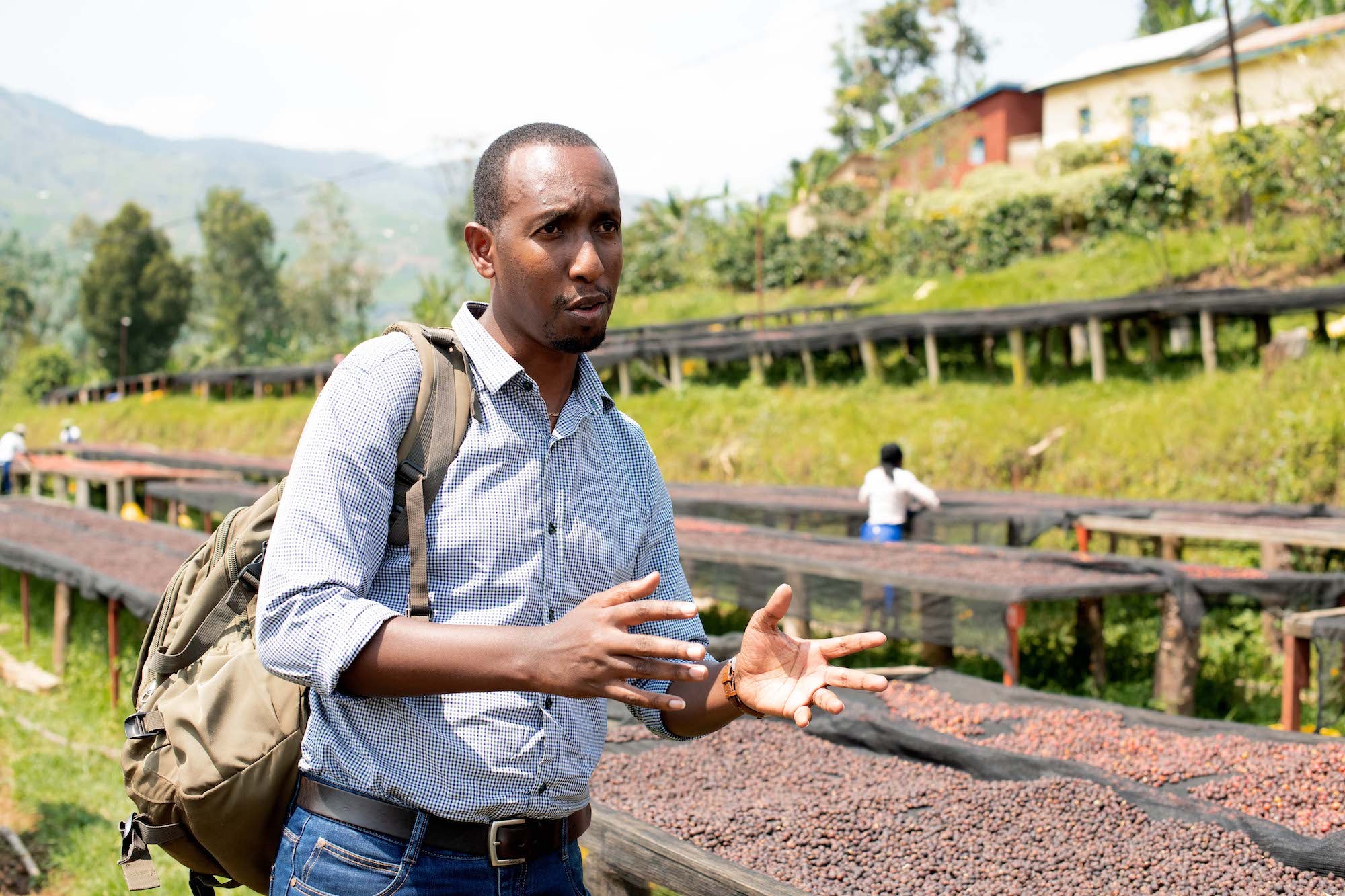
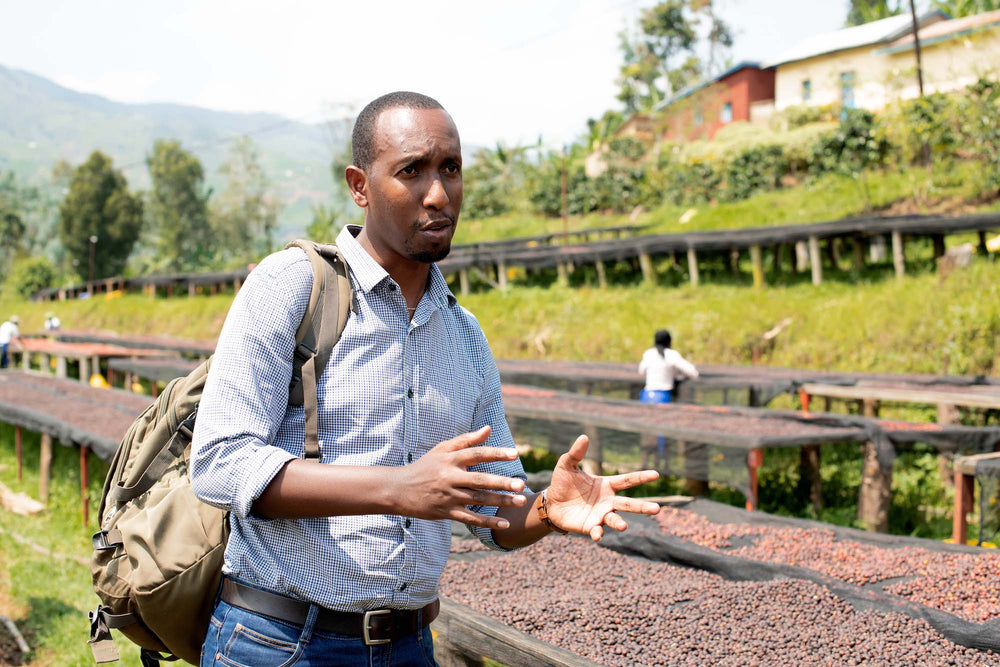
GITESI WASHING STATION, RWANDA
Water used in the washing channels is collected, filtered and reused to avoid waste. Organic fertiliser spray is also produced in their on-site wormery, reducing pesticides and unnecessary chemicals. Coffee seedlings and other plant crops are donated as well as cows to contributing smallholders, and agronomical training on improving farm practices and diversifying crops are held. SNAP COFFEE, ETHIOPIA
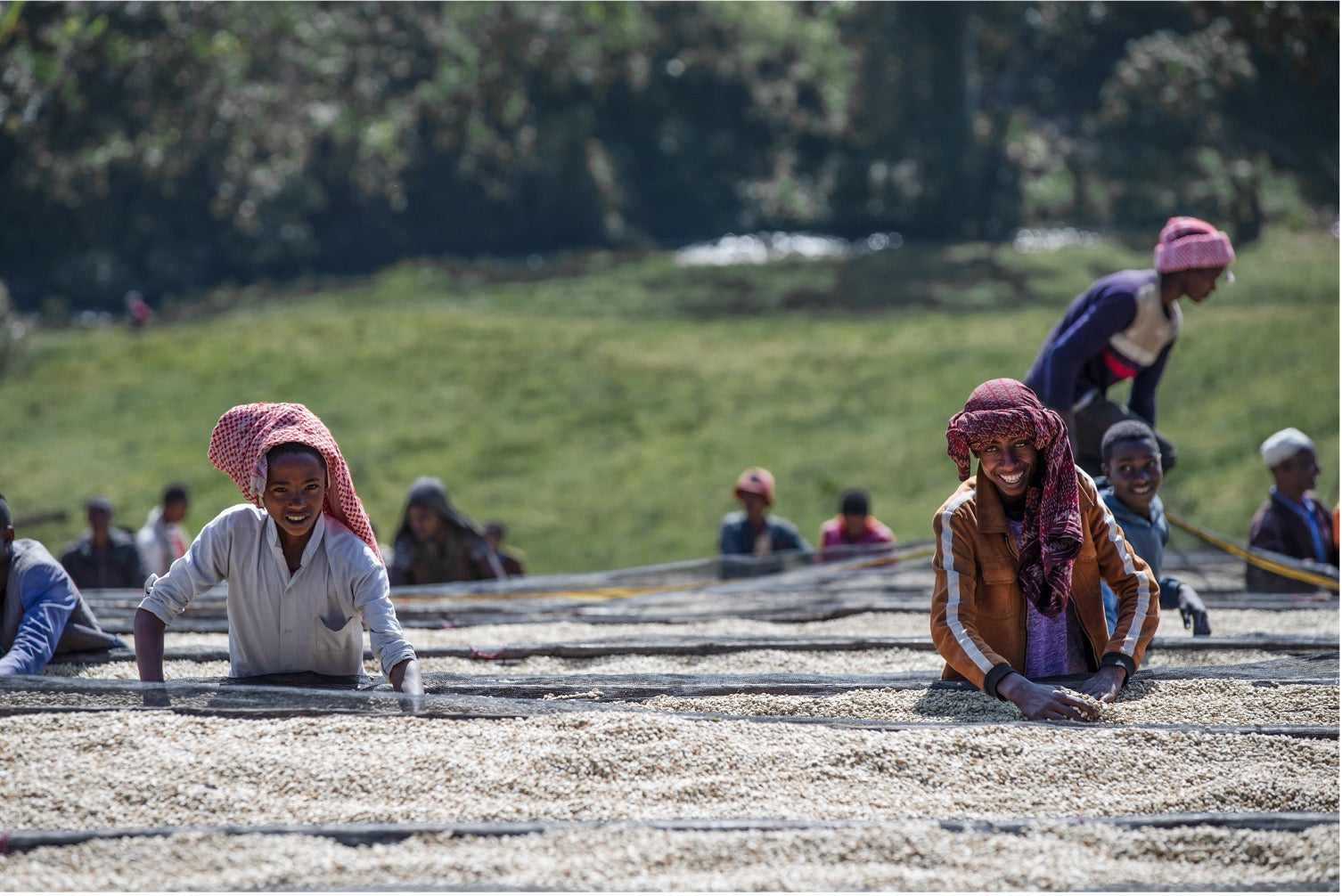
Our primary partner in Ethiopia is all organic and committed to recycling waste by-products from coffee processing at each of their stations. They are also a pillar of their local community, having built schools and provided essential computing equipment alongside aiding the construction of health clinics to provide contributing farmers with healthcare.VALLE INCA, PERU
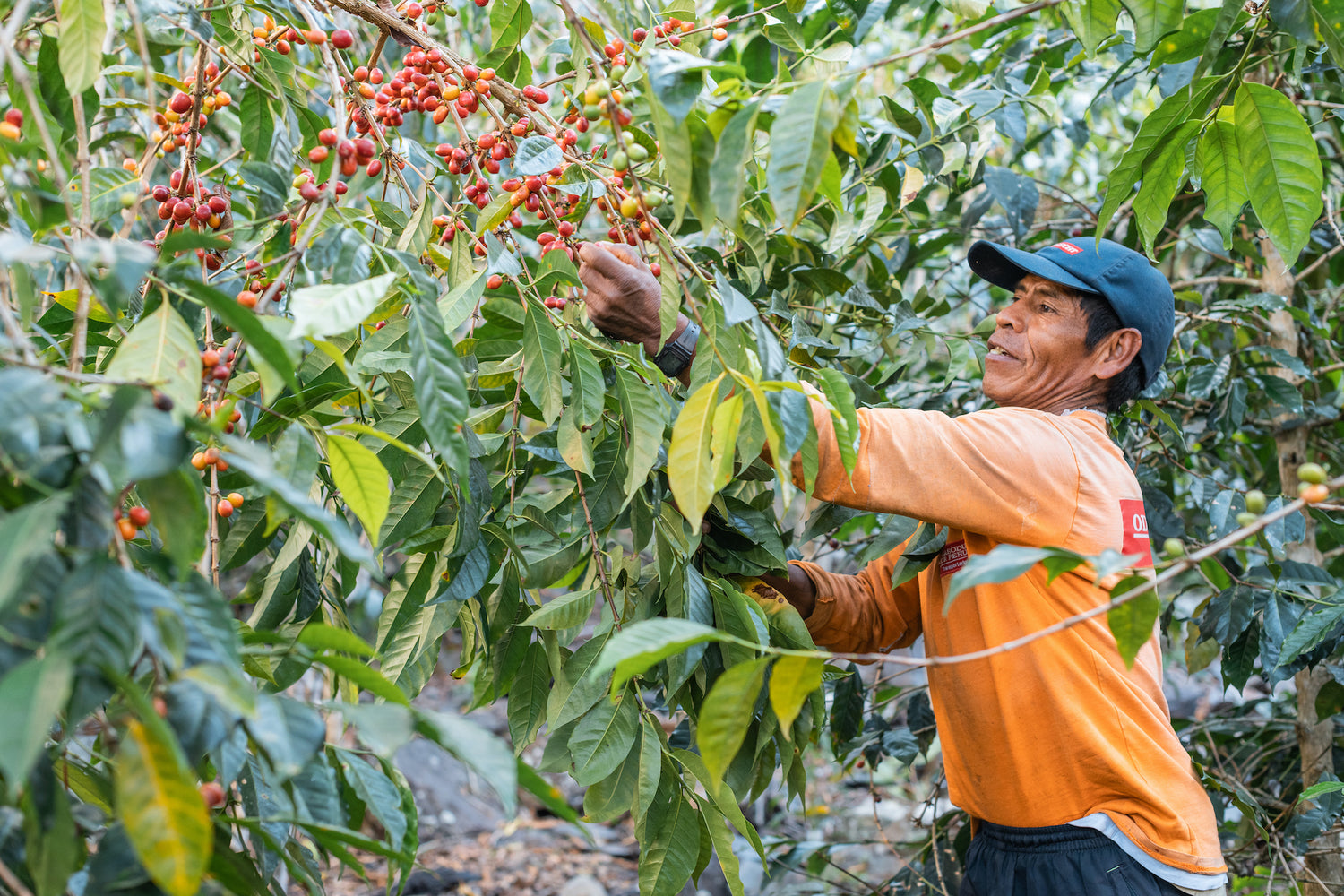
Having worked with the Valle Inca Association for over half a decade, we’ve seen the impact of their work first-hand. For a member to join, there needs to be a baseline of quality met, dictated in part by altitude and the type of varieties planted. As well as paying premium prices, Valle Inca support their producers via pre-financing, aid in the building and purchasing of drying infrastructures and processing materials, and offering agronomical advice and harvest planning and protocols. All the members are working organically and are certified as such via the Valle Inca group.